Keep Your Joints "Cool" While the Weather Gets Hot

June 5, 2023

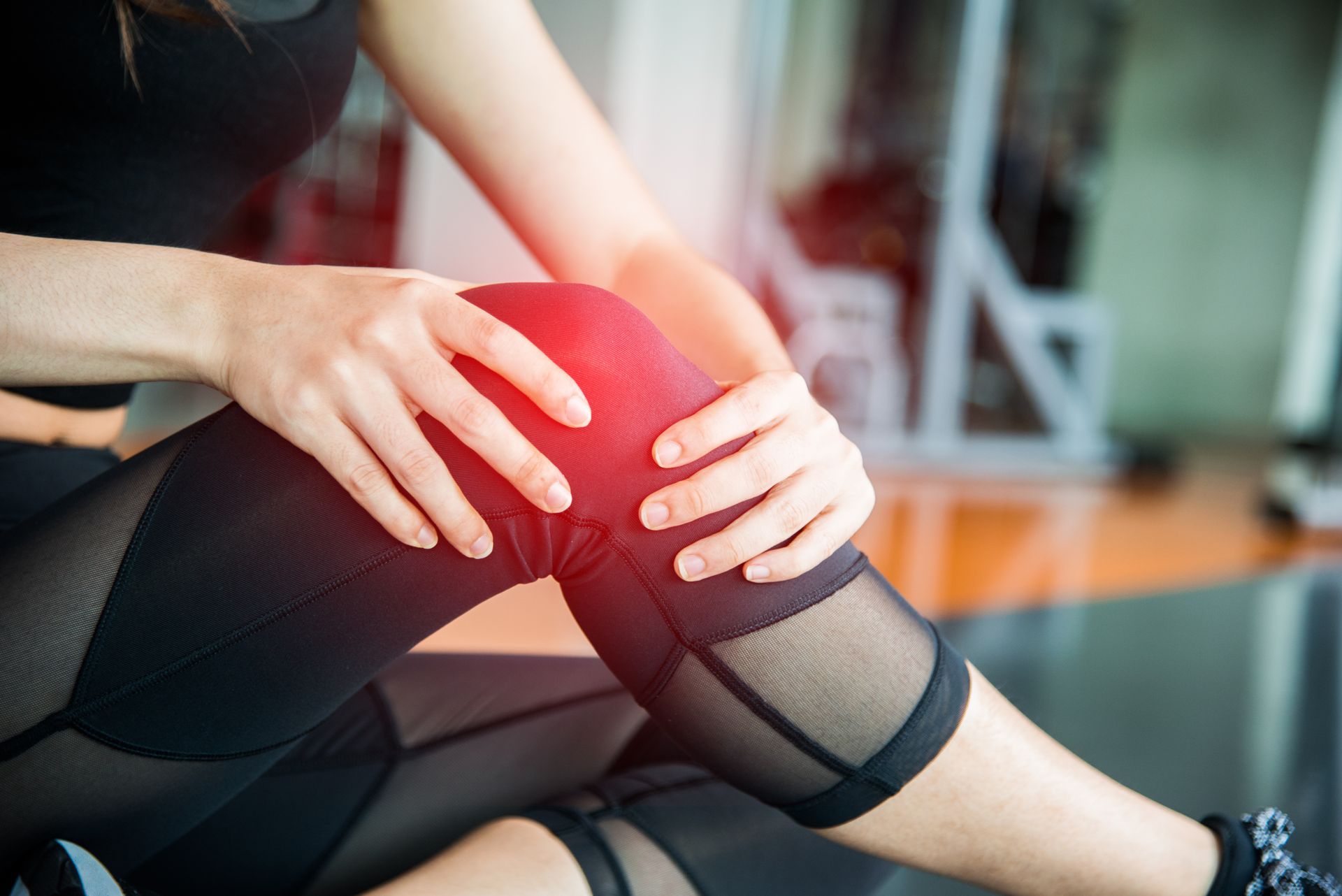
If your joint pain worsens as the weather gets warmer, you’re not alone. Warmer months can aggravate your joints, especially if you struggle with arthritis or other chronic joint pain conditions. Here, we break down why that may happen and how you can work to prevent it.


What Makes Joint Pain Worse in Summer?

While everyone is different, there are a few common culprits for worsening joing pain in the summer. Here are a few of the most common:


Less Activity

When it gets hot outside, it's tempting to take things easy and not move around as much. We don't blame you! Moving around too much outside when it gets warm — especially in particularly hot climates- can be miserable and sometimes even risky. Unfortunately, reduced activity can result in stiff or painful joints.


Dehydration

Your body requires more fluid to stay hydrated in higher temperatures. When you are dehydrated, your joints are less lubricated, resulting in pain. This is especially true with joints like your knees and shoulders.


Dramatic Temperature Shifts

You may have noticed that hands swell when you work outside on a warm day. That swelling is partly the result of the expanding of tendons and ligaments that tends to happen when you work in the heat. If you live in an area where the temperatures are warm during the day and cooler at night, those same tendons and ligaments will often expand and contract as the weather changes, which may increase joint pain.


Humidity

Ever notice that your joints are more painful before a storm? There’s a reason for that! Shifts in barometric pressure, often recognized as a change in humidity, can impact the amount of fluid present in your joints. The effect on your body is similar to dehydration.


How to Protect Your Joints

Some factors affecting joint pain are outside your control, which can be frustrating. Thankfully, there are tips and strategies you can implement to help manage your joint pain in hot summer weather.


Choose Your Exercise Time Carefully
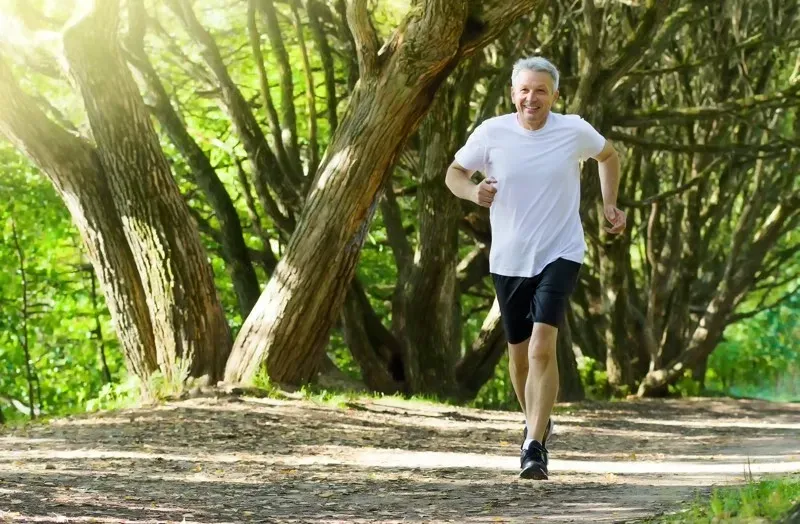
A man is running on a dirt path in the woods.

Lack of motion can increase joint pain, but so can overwork in the heat. To compensate, develop an exercise routine with care. If you prefer to exercise outside, prioritize working out during cooler times of the day. You might also consider picking up an indoor activity that's easier on your joints but still works the whole body, like swimming. You can also find thousands of free workouts online that can be completed from the comfort of your home.


Hydrate

It is important to stay hydrated all year, but especially during warmer months when your body loses water more quickly. This is especially true if you live in a hot location. To help yourself stay hydrated, consider incorporating drinks and foods with electrolytes. You can find drinks that already contain electrolytes or powdered options you can add to water at home for an extra hydration boost when needed. You can also snack on foods like celery, watermelon, bananas, or pickles for a quick burst of electrolytes to supplement all the water you're drinking.


Try Epsom Salts

You can keep your body hydrated in ways other than consuming more water or eating the right foods. Epsom salts are incredibly effective at reducing joint inflammation and pain. Treat yourself to a nice bath with Epsom salts to cool your body and reduce swelling. Epsom salts are also known to help you sleep better — a win-win!


Practice Self-Care

There can be lots of pressure to be up and doing all the time during the summer. Of course, it is important to get adequate exercise, but rest is also important in managing pain. Getting enough sleep can also help with chronic pain, as can low-impact movement like yoga. Some studies have shown that taking time each day for mindful meditation can reduce pain.


Before you begin any new routine, speak with a professional. If you're having issues with chronic pain and want some assistance finding the right balance for a fun, pain-free summer, contact Chronic Care of Richmond today.


July 24, 2026
Living with chronic pain often means thinking differently about everyday tasks. While medical treatment is an important part of pain management, small changes to your home, daily routine, and the tools you use can also make life more comfortable. These practical lifestyle strategies can help reduce unnecessary strain, conserve energy, and make it easier to stay engaged in the activities that matter most.  At Chronic Care of Richmond, we believe that effective chronic pain management is about creating sustainable habits that support your quality of life—not just managing symptoms. Create a Pain-Friendly Home Environment Your home should work for you, not against you. Simple modifications can reduce repetitive movements, awkward bending, and prolonged standing that may aggravate chronic pain. Consider making adjustments such as: Placing frequently used items at waist or shoulder height to minimize bending and reaching Using lightweight cookware and kitchen utensils Installing lever-style door handles that require less grip strength Adding non-slip rugs or removing tripping hazards Choosing supportive chairs with armrests to make standing easier Keeping commonly used items on each level of your home to reduce unnecessary trips up and down stairs If you spend long hours working at a desk, ergonomic adjustments can also make a significant difference. Position your computer monitor at eye level, keep your feet flat on the floor, and use supportive seating that encourages good posture. Work Smarter, Not Harder One of the most valuable skills for people with chronic pain is learning to pace daily activities. Instead of trying to finish everything at once, divide larger tasks into smaller, more manageable steps. For example: Fold one basket of laundry, then rest before putting clothes away. Clean one room each day instead of the entire house. Prepare ingredients for dinner earlier in the day when your energy is higher. Many people find that alternating physical activities with seated tasks helps reduce discomfort throughout the day. This approach—often called activity pacing—can help prevent the "boom-and-bust" cycle, where overdoing activities on a good day leads to increased pain and fatigue afterward. Self-management strategies like pacing are commonly recommended for people living with chronic pain and arthritis. Plan Around Your Best Hours Pain levels often fluctuate throughout the day. Pay attention to when you typically feel your best and schedule more demanding activities during those times. You might: Grocery shop in the morning if you have more energy. Schedule appointments during your most comfortable hours. Save paperwork or computer work for times when physical activity feels more difficult. Keeping a simple journal of your daily pain patterns can help identify routines that support better days. Use Helpful Gadgets That Reduce Strain Modern assistive devices aren't just for people with significant mobility limitations. Many simple tools can reduce stress on joints and muscles while making everyday tasks easier. Helpful options include: Grabber or reacher tools for picking up objects Electric can openers and jar openers Long-handled shoehorns Rolling laundry baskets Shower chairs or handheld showerheads Supportive seat cushions Heating pads or reusable cold packs for temporary symptom relief when appropriate Voice-controlled smart home devices for lights, thermostats, and reminders These small conveniences can reduce repetitive movements that contribute to discomfort while helping you maintain independence. Organize to Minimize Extra Movement A little organization can save hundreds of unnecessary steps each week. Try creating dedicated stations throughout your home: Keep medications in one organized location. Store cleaning supplies on every floor if you have a multi-level home. Keep chargers, reading glasses, and frequently used items within easy reach. Use baskets or rolling carts to transport multiple items in one trip. The less unnecessary movement required, the more energy you can devote to activities you enjoy. Make Rest Part of Your Routine Rest is an important part of managing chronic pain, but staying inactive for long periods can sometimes increase stiffness and reduce mobility. Finding a balance between activity and rest is key. Instead of waiting until you're exhausted, consider scheduling short recovery breaks throughout the day. Examples include: Sitting down for 10 to 15 minutes after completing household chores Stretching gently between work sessions if recommended by your healthcare provider Taking a brief walk around the house after prolonged sitting Practicing relaxation or breathing exercises during scheduled breaks Regular movement paired with planned rest helps many people maintain better function over time. Health organizations recommend staying as active as your condition allows , even if activity is broken into shorter sessions. Build Sustainable Habits There's no single "hack" that solves chronic pain. Instead, lasting improvements often come from combining small, practical changes that reduce strain and make everyday life more manageable. Whether it's reorganizing your kitchen, pacing household chores, using assistive devices, or planning activities around your energy levels, these strategies can help support greater independence and comfort. Self-management techniques, combined with guidance from your healthcare provider, are widely recognized as valuable tools for improving daily function and quality of life for people living with chronic pain. If chronic pain is interfering with your ability to enjoy daily life, the team at Chronic Care of Richmond can work with you to develop a comprehensive, personalized treatment plan that supports your long-term health, mobility, and overall well-being.
old people exercising
July 17, 2026
Discover daily habits that may help manage peripheral neuropathy, improve comfort, support nerve health, and enhance mobility and quality of life.
iv drip
July 3, 2026
New to IV therapy? Learn what to expect during your first IV therapy session at Chronic Care of Richmond, from consultation to recovery.
More Posts