
How Having a Support System Impacts Weight Loss

July 4, 2023

Losing weight can be overwhelming. When it comes to weight loss, there are thousands of voices out there that claim to have the perfect solution. Working through all the advice to find the best option for you, your specific goals, your lifestyle, and your body can be challenging. You may know that it is important to exercise, but what kind of exercise? How often? It is essential to eat well, but what does that look like for you? With so much advice coming at you from the internet, commercials, and social media, it can be hard to sift through what will work for you.


Moreover, losing weight is a journey filled with unexpected twists and turns. If you’ve tried to lose weight on your own in the past, you may have found that you begin with enthusiasm and can lose a few pounds, but your progress slows or even seems to regress. Losing weight can be a discouraging, overwhelming process. The good news is? It doesn’t have to be! With the right support team, you can reach your health goals.


Support Makes All the Difference

A man and a woman are laughing while running down a street

Whether you have a virtual or in-person support system (or a combination of the two), having people cheering you on can enormously impact your overall success.


A support system provides emotional stability and improves your ability to manage stress. The American Psychological Association conducted a study on stress in 2015 and found that those with emotional support systems reported less stress than those without. With the right support and encouragement from people who believe in you, you are more likely to be able to manage the highs and lows of your weight loss journey and succeed.

How to Find the Right Kind of Support

A good support team will provide you with encouragement, different perspectives, new ideas, and overall knowledge of healthy habits. It may be difficult to find all of these qualities in one person, so it is essential to find a network of people who can be there for you and fill a variety of roles for you.

First, find friends and family members who have gone on their own weight loss journey in the past or are on one themselves at the moment. These people know you, care about you and will be there for you during the exciting and discouraging times. They’ll be able to empathize with you and give you some ideas of things to try that may have worked for them. In return, you might be able to provide them with the same encouragement. You can hold each other accountable, celebrate victories, and even exercise and meal plan together. A little positive peer pressure can be a great thing!

Your support team should also include your doctor. Your doctor is the best resource available to you with knowledge about your current health. A doctor can help you set reasonable and reachable goals. They may even be able to provide you with counsel on additional resources available to you, like trustworthy dieticians. Your doctor should also be able to give you specific counsel on how to be safe as you embark on exercise regimes and changes to your diet.

Feel Supported with Chronic Care of Richmond


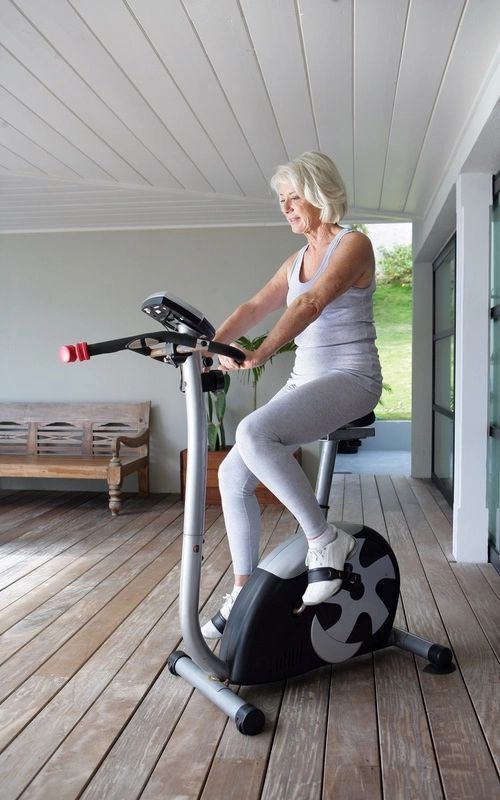
A woman is riding an exercise bike on a wooden deck.

When you consult with Chronic Care of Richmond, you benefit from medical support combined with a network of people willing and able to help you lose weight and establish patterns of healthy living that will keep the weight off. In other words, it’s like combining the power of your family and friends with the knowledge of medical staff in one place. 


Your team provides you with personal, individualized attention and expertise to help you cut through the chaos of the many options out there and find a path that works with your specific schedule, needs, wants, and resources. In just 60 days, we can help you lose up to 40 pounds of unwanted weight and give you the tools you need to confidently maintain a healthy lifestyle.

Don’t waste any more time trying out systems or diet plans alone. Contact Chronic Care of Richmond today for a free consultation and gain an entire team of professionals ready to support you on your weight loss journey.

A black heart is floating in the air on a white background.
July 24, 2026
Living with chronic pain often means thinking differently about everyday tasks. While medical treatment is an important part of pain management, small changes to your home, daily routine, and the tools you use can also make life more comfortable. These practical lifestyle strategies can help reduce unnecessary strain, conserve energy, and make it easier to stay engaged in the activities that matter most.  At Chronic Care of Richmond, we believe that effective chronic pain management is about creating sustainable habits that support your quality of life—not just managing symptoms. Create a Pain-Friendly Home Environment Your home should work for you, not against you. Simple modifications can reduce repetitive movements, awkward bending, and prolonged standing that may aggravate chronic pain. Consider making adjustments such as: Placing frequently used items at waist or shoulder height to minimize bending and reaching Using lightweight cookware and kitchen utensils Installing lever-style door handles that require less grip strength Adding non-slip rugs or removing tripping hazards Choosing supportive chairs with armrests to make standing easier Keeping commonly used items on each level of your home to reduce unnecessary trips up and down stairs If you spend long hours working at a desk, ergonomic adjustments can also make a significant difference. Position your computer monitor at eye level, keep your feet flat on the floor, and use supportive seating that encourages good posture. Work Smarter, Not Harder One of the most valuable skills for people with chronic pain is learning to pace daily activities. Instead of trying to finish everything at once, divide larger tasks into smaller, more manageable steps. For example: Fold one basket of laundry, then rest before putting clothes away. Clean one room each day instead of the entire house. Prepare ingredients for dinner earlier in the day when your energy is higher. Many people find that alternating physical activities with seated tasks helps reduce discomfort throughout the day. This approach—often called activity pacing—can help prevent the "boom-and-bust" cycle, where overdoing activities on a good day leads to increased pain and fatigue afterward. Self-management strategies like pacing are commonly recommended for people living with chronic pain and arthritis. Plan Around Your Best Hours Pain levels often fluctuate throughout the day. Pay attention to when you typically feel your best and schedule more demanding activities during those times. You might: Grocery shop in the morning if you have more energy. Schedule appointments during your most comfortable hours. Save paperwork or computer work for times when physical activity feels more difficult. Keeping a simple journal of your daily pain patterns can help identify routines that support better days. Use Helpful Gadgets That Reduce Strain Modern assistive devices aren't just for people with significant mobility limitations. Many simple tools can reduce stress on joints and muscles while making everyday tasks easier. Helpful options include: Grabber or reacher tools for picking up objects Electric can openers and jar openers Long-handled shoehorns Rolling laundry baskets Shower chairs or handheld showerheads Supportive seat cushions Heating pads or reusable cold packs for temporary symptom relief when appropriate Voice-controlled smart home devices for lights, thermostats, and reminders These small conveniences can reduce repetitive movements that contribute to discomfort while helping you maintain independence. Organize to Minimize Extra Movement A little organization can save hundreds of unnecessary steps each week. Try creating dedicated stations throughout your home: Keep medications in one organized location. Store cleaning supplies on every floor if you have a multi-level home. Keep chargers, reading glasses, and frequently used items within easy reach. Use baskets or rolling carts to transport multiple items in one trip. The less unnecessary movement required, the more energy you can devote to activities you enjoy. Make Rest Part of Your Routine Rest is an important part of managing chronic pain, but staying inactive for long periods can sometimes increase stiffness and reduce mobility. Finding a balance between activity and rest is key. Instead of waiting until you're exhausted, consider scheduling short recovery breaks throughout the day. Examples include: Sitting down for 10 to 15 minutes after completing household chores Stretching gently between work sessions if recommended by your healthcare provider Taking a brief walk around the house after prolonged sitting Practicing relaxation or breathing exercises during scheduled breaks Regular movement paired with planned rest helps many people maintain better function over time. Health organizations recommend staying as active as your condition allows , even if activity is broken into shorter sessions. Build Sustainable Habits There's no single "hack" that solves chronic pain. Instead, lasting improvements often come from combining small, practical changes that reduce strain and make everyday life more manageable. Whether it's reorganizing your kitchen, pacing household chores, using assistive devices, or planning activities around your energy levels, these strategies can help support greater independence and comfort. Self-management techniques, combined with guidance from your healthcare provider, are widely recognized as valuable tools for improving daily function and quality of life for people living with chronic pain. If chronic pain is interfering with your ability to enjoy daily life, the team at Chronic Care of Richmond can work with you to develop a comprehensive, personalized treatment plan that supports your long-term health, mobility, and overall well-being.
old people exercising
July 17, 2026
Discover daily habits that may help manage peripheral neuropathy, improve comfort, support nerve health, and enhance mobility and quality of life.
iv drip
July 3, 2026
New to IV therapy? Learn what to expect during your first IV therapy session at Chronic Care of Richmond, from consultation to recovery.
More Posts