
Platelet Rich Plasma (PRP) for Reducing Pain
Platelet Rich Plasma (PRP) is an innovative treatment option supported by clinical research and used by orthopedic and sports medicine professionals worldwide. PRP is a regenerative therapy that utilizes your body’s own healing abilities to help relieve pain and support recovery. The process involves drawing a small sample of your blood and processing it to concentrate the platelets—these are rich in growth factors that can signal damaged tissue to repair itself. PRP is often chosen by patients looking to reduce pain, improve function, and potentially avoid more invasive treatments.

How PRP Works To Heal Pain
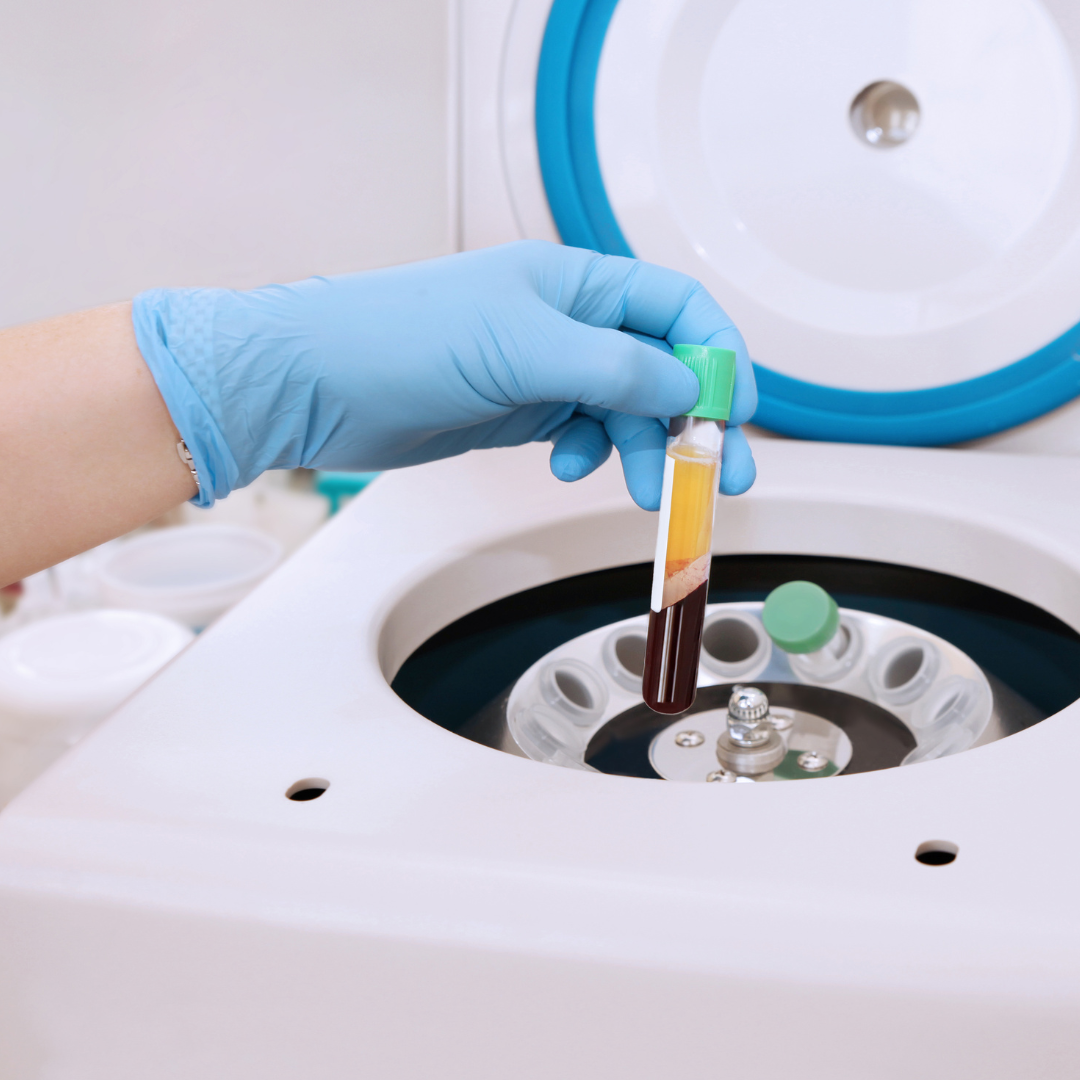
PRP therapy works by harnessing your body’s natural healing system to help repair damaged or inflamed tissue. After a small blood sample is drawn, it’s processed to concentrate the platelets—these contain growth factors that promote healing.
When PRP is carefully injected into an area of pain or injury, these growth factors can help reduce inflammation and stimulate tissue repair at the source. This process supports the healing of joints, tendons, ligaments, and soft tissue, all of which can contribute to chronic pain. Unlike treatments that mask symptoms, PRP is designed to help your body rebuild and recover, which may lead to improved mobility, reduced pain, and longer-lasting relief over time.
Note: Results can vary, and not every patient will experience the same benefits. Our team will help determine if PRP is a suitable option for your specific needs.
Conditions PRP May Help Improve
PRP is commonly used to help relieve chronic joint, tendon, and soft tissue pain caused by inflammation, overuse, or injury. Many patients seek PRP for:
- Knee pain
- Shoulder pain and frozen shoulder
- Hip pain
- Elbow and ankle pain
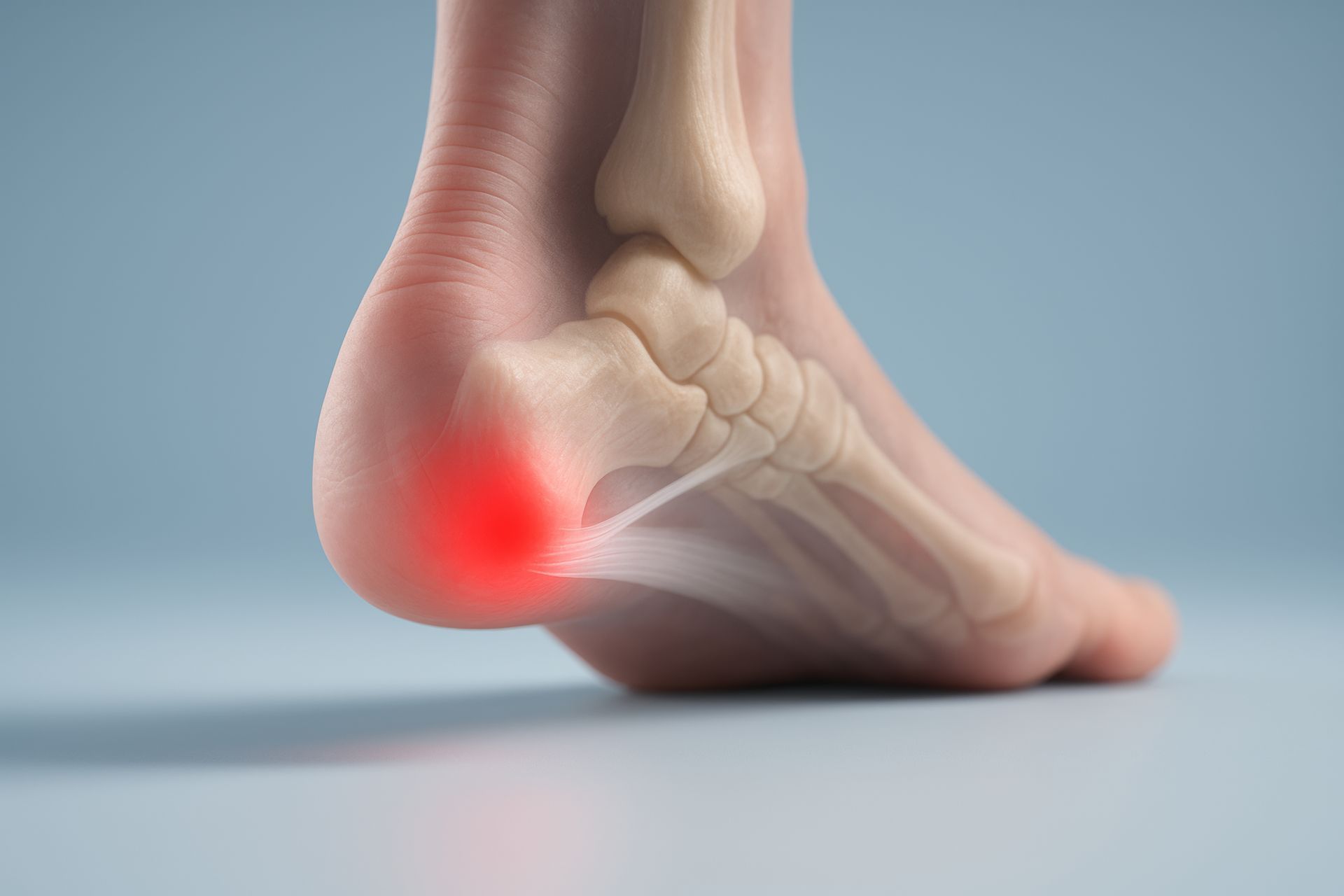
- Plantar fasciitis
- Tendonitis, arthritis, ligament injuries, and persistent pain that hasn’t responded well to rest, medication, or physical therapy
By targeting the source of pain and promoting tissue healing, PRP may help reduce inflammation, improve mobility, and support longer-lasting relief. PRP is considered safe for most individuals, though it may not be suitable for everyone (such as those with certain blood or clotting disorders). Our team will review your medical history and discuss all available options with you.
How the PRP Process Works
Your body, your healing power
A small sample of your blood is drawn and gently processed to concentrate platelets—the part of your blood rich in natural growth and repair factors.
Concentrated healing where it’s needed most
The platelet-rich plasma (PRP) is precisely injected into the painful or damaged joint to target inflammation and tissue damage at the source.
Jump-starts repair and reduces inflammation
PRP signals your body to begin repairing injured tissue, supporting cartilage, tendons, and ligaments while calming chronic inflammation that causes pain.
Gradual, lasting relief — naturally
Over the following weeks, many patients experience reduced pain, improved mobility, and better joint function as healing continues from the inside out.
Our clinicians use precise techniques to help ensure the treatment is as comfortable and effective as possible. Most patients can return to light activity soon after the procedure.
Relief from Sciatica with PRP Treatment
Through our non-surgical approach to pain relief, Duron underwent Platelet-Rich Plasma (PRP) therapy for his sciatica. PRP uses the body’s own healing properties to help reduce inflammation and support tissue repair at the source of pain.
Following treatment, Duron experienced significant relief from his sciatica symptoms. He was able to return to his regular activities, reduce his reliance on medication, and avoid surgery altogether. Today, he is feeling better, moving more comfortably, and grateful for a natural treatment option that helped him regain his quality of life.
Take the First Step Toward Lasting Joint Relief
At Chronic Care of Richmond, our expert team specializes in non-surgical, drug-free solutions for joint pain. Schedule your $47 new patient appointment today and receive a free Class IV laser treatment—designed to reduce pain and support healing. Click below to book your personalized consultation or call 804-818-6489 to get started.
