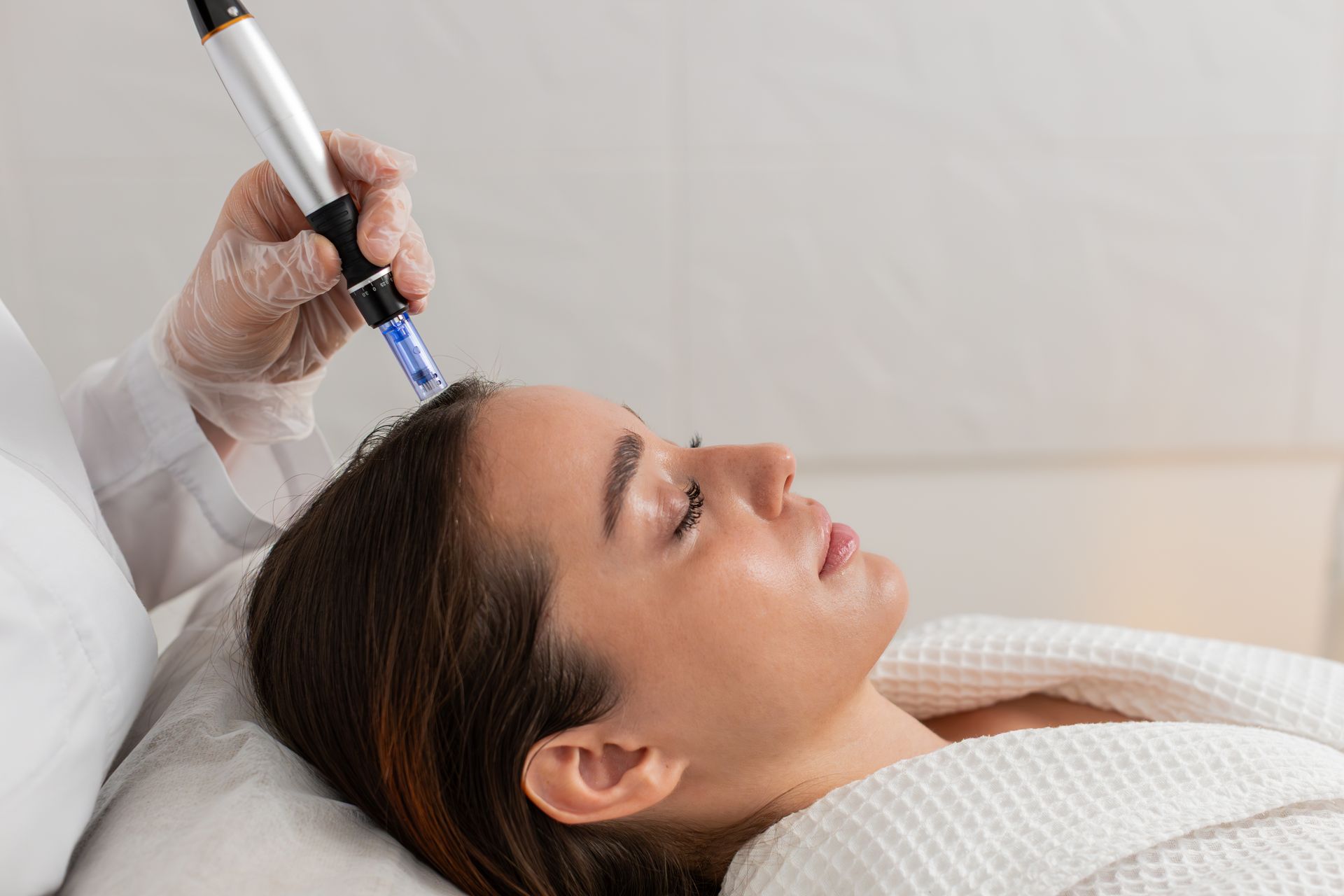
PRP Injections for Tendon and Ligament Injuries
Tendon and ligament injuries are among the most common musculoskeletal problems, affecting people of all ages and activity levels. Whether you’re an athlete recovering from a sports injury or someone dealing with chronic pain from overuse, the healing process can be lengthy and frustrating. Fortunately, Platelet-Rich Plasma (PRP) injections are emerging as a promising solution for accelerating recovery and restoring function—without the need for surgery or reliance on opioids. At Chronic Care of Richmond, we are dedicated to providing innovative, evidence-based treatments that prioritize your well-being and long-term health outcomes.
Understanding PRP: Harnessing the Body’s Natural Healing Power
Platelet-Rich Plasma therapy is built on a simple yet powerful principle: using your body’s own blood components to stimulate and enhance healing. PRP involves drawing a small amount of blood from the patient, processing it to concentrate the platelets and growth factors, and then injecting this potent mixture directly into the injured tendon or ligament. Platelets play a key role in tissue repair by releasing bioactive proteins and growth factors that promote cell regeneration, collagen synthesis, and inflammation control.
This targeted approach helps create an environment where damaged tissues can recover more efficiently and thoroughly. Unlike surgical interventions, PRP is minimally invasive and leverages the body’s natural healing capabilities, which is why it has gained traction among both healthcare professionals and patients seeking alternatives to traditional treatments.
The Science Behind PRP for Tendon and Ligament Healing
Tendons and ligaments are notoriously slow to heal due to their limited blood supply. This is why injuries like plantar fasciitis, Achilles tendinopathy, and tennis elbow often persist for months or even years. PRP injections introduce a concentrated dose of growth factors directly to the injury site, effectively “jump-starting” the healing process.
Research has shown that PRP can significantly enhance the proliferation of tendon cells and stimulate the production of type I collagen, which is essential for robust tissue repair. A meta-analysis found that PRP therapy led to improved pain relief and functional outcomes for chronic tendon injuries compared to placebo, with positive effects observed weeks post-injection.
What to Expect: PRP Treatment and Recovery Timeline
Patients considering PRP therapy often want to know what recovery looks like and how quickly they can expect to see results. One of the main benefits of PRP injections is the relatively short downtime. Most patients can resume light activity within a day or two, although a comprehensive rehabilitation plan may be recommended to maximize healing.
Initial improvements, such as reduced pain and increased mobility, are commonly reported within six to eight weeks following the procedure. However, the full regenerative effects of PRP continue to unfold over several months as the tendon or ligament undergoes remodeling and strengthening. Clinical studies have documented sustained improvements in pain and function up to one year after a single PRP treatment.
PRP for Plantar Fasciitis and Other Common Injuries
One of the most promising applications of PRP therapy is in treating plantar fasciitis—a debilitating condition characterized by heel pain and inflammation of the plantar fascia ligament. Traditional treatments for plantar fasciitis often focus on symptom management, but PRP targets the underlying tissue damage to facilitate real healing.
PRP injections can reduce pain and improve foot function more effectively than corticosteroid injections alone, with fewer side effects and a lower risk of recurrence. Similar results have been observed for other stubborn tendon and ligament injuries, including rotator cuff tendinopathy and medial epicondylitis (golfer’s elbow).
Safety and Effectiveness: What the Data Shows
Patient safety is our top priority at Chronic Care of Richmond. PRP is considered a low-risk procedure because it uses your own blood, minimizing the chance of allergic reactions or infection. The most common side effects are mild soreness and swelling at the injection site, which typically resolve within a few days.
Evidence supporting PRP’s effectiveness continues to grow. A recent review concluded that PRP was superior to placebo and, in some cases, standard care for promoting tendon healing and reducing pain. While individual results may vary, the consensus among medical researchers is that PRP offers a safe and scientifically backed option for patients seeking faster, more complete recoveries.
Why Choose Chronic Care of Richmond for PRP Therapy?
Choosing the right provider for PRP therapy is crucial to achieving the best outcomes. At Chronic Care of Richmond, our experienced medical team is committed to excellence in regenerative medicine. We use state-of-the-art PRP processing technology and adhere to evidence-based protocols to ensure the highest standard of care.
Our patient-centered approach means we take the time to explain your options, answer your questions, and support you throughout your healing journey. If you are struggling with a tendon or ligament injury and want to explore non-surgical, drug-free solutions, we invite you to schedule a consultation today.
Learn More About Regenerative Medicine
To discover more about how PRP and other regenerative therapies can help you reclaim your health, visit our PRP Therapy Services page or explore our blog for additional resources and patient success stories.
At Chronic Care of Richmond, we believe in empowering our patients with cutting-edge, compassionate care that fosters lasting recovery and optimal wellness. Let us help you take the next step toward healing—naturally and effectively.