Living With Chronic Knee Pain
Living with chronic knee pain can feel overwhelming, but small, intentional changes can make a significant difference in your everyday comfort and well-being. At Chronic Care of Richmond, we believe in empowering our community with practical strategies that support a more active, fulfilling life—without relying on surgery or opioids. Whether you’re newly navigating knee pain or have been managing it for years, there are steps you can take to regain control and thrive.
Understanding Chronic Knee Pain
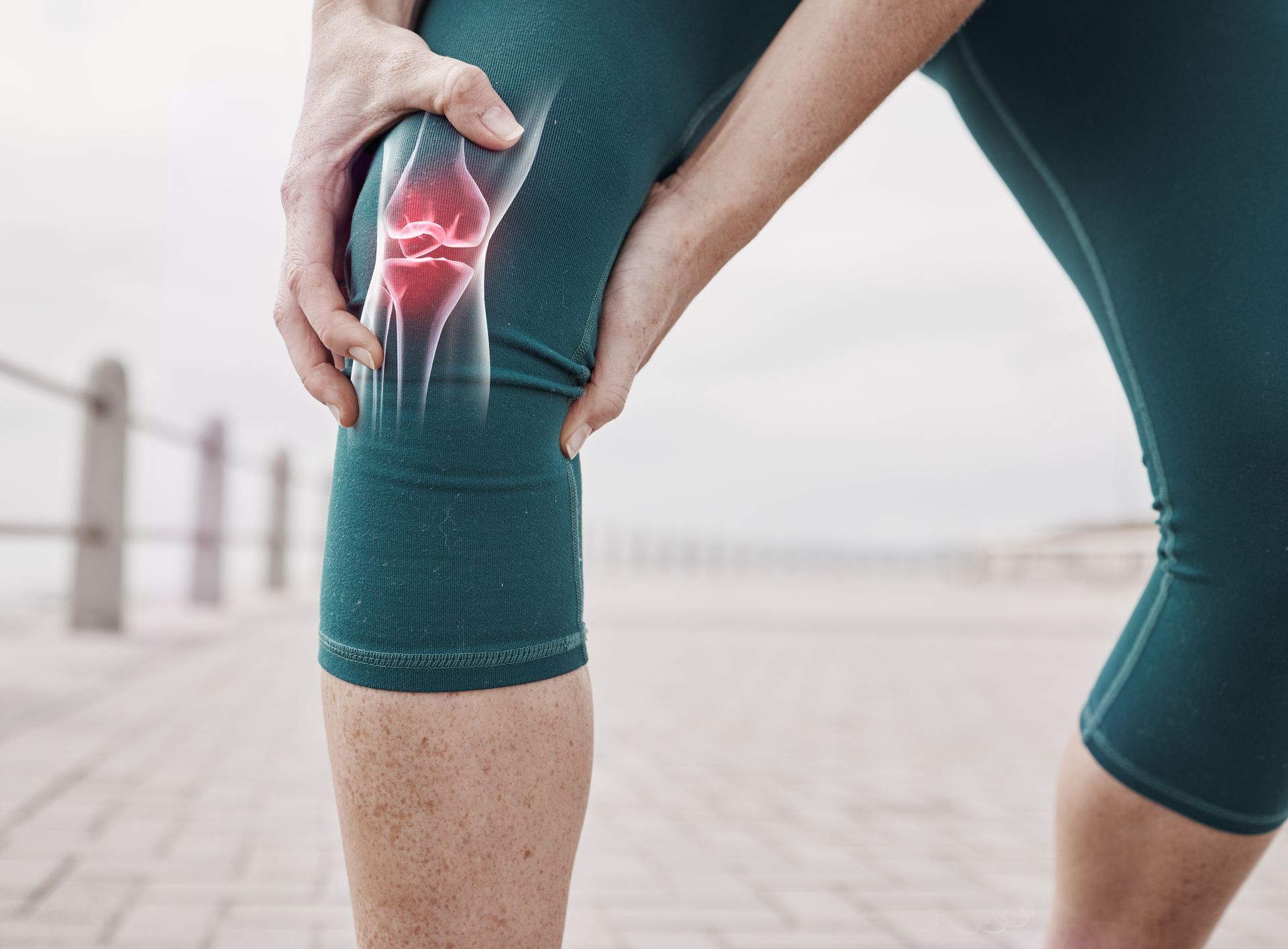
Knee pain often develops gradually, stemming from conditions like osteoarthritis, past injuries, or underlying inflammation. Over 32 million Americans live with osteoarthritis—a leading cause of chronic knee discomfort. While pain may ebb and flow, it can impact everything from mobility to mood.
Recognizing that knee pain is both a physical and emotional challenge is the first step. The journey to better quality of life starts with a holistic approach—addressing the body, mind, and spirit together.
Stress Management: Calming the Mind to Support the Body
It’s natural to feel frustrated or anxious when pain flares up. Research shows that chronic pain and stress often go hand in hand, each making the other worse. Learning to manage stress not only improves your mood but can also reduce pain perception.
Mindfulness techniques—like deep breathing, guided imagery, and meditation—can help calm the nervous system. The University of Richmond Mindfulness Center offers workshops and resources to get started. Local support groups, such as those facilitated by the Arthritis Foundation’s Virginia chapter, provide a safe space to share experiences and coping strategies.
Making time for gentle activities you enjoy—reading, gardening, or listening to music—also helps distract from pain and refocus energy on the positive.
Exercise: Moving Safely for Stronger Knees
Regular movement is one of the most effective ways to manage chronic knee pain. Low-impact exercise helps keep joints flexible and muscles strong, supporting the knee and reducing strain.
If you’re unsure where to begin, consult with a healthcare provider for a personalized plan. Gentle options include walking, swimming, and cycling—activities that minimize stress on the joints while promoting circulation and strength. Even modest increases in activity can lead to meaningful reductions in pain and stiffness.
Richmond residents can explore classes at the YMCA of Greater Richmond, which offers group fitness tailored for those with arthritis and chronic pain. Don’t forget: warming up with stretches and listening to your body are key to safe, sustainable exercise.
Diet Modifications: Nourishing Your Joints
What you eat can play a subtle but important role in managing knee pain. Diets rich in anti-inflammatory foods—like leafy greens, berries, nuts, and fatty fish—may help reduce swelling and discomfort. Maintaining a healthy weight is also crucial, as extra pounds put more pressure on knee joints. Every pound lost can relieve up to four pounds of pressure on the knees.
Hydration matters, too. Water helps lubricate joints and keep tissues healthy. If you’re looking for fresh produce, Richmond’s farmers markets are a wonderful resource for local, nutritious ingredients.
Before making major changes to your diet, consider consulting a registered dietitian or your healthcare provider to ensure your plan meets your unique needs.
Community Resources: Finding Support in Richmond
You don’t have to manage knee pain alone. Richmond’s thriving healthcare and wellness community offers a range of support groups, educational events, and physical therapy options.
- The Virginia Arthritis Center provides educational seminars and support for chronic pain management.
- Chronic Care of Richmond offers non-surgical, non-opioid therapies and personalized guidance for chronic pain.
- The Arthritis Foundation in Virginia connects individuals to local peer groups, fitness classes, and resources tailored to arthritis and knee pain.
Connecting with others who understand your journey can boost motivation and remind you that improvement is possible. Whether you join a group or simply reach out to a friend, social support is a powerful tool in your pain management toolkit.
Building Your Personalized Plan
Every case of chronic knee pain is unique, and what works for one person might not work for another. The best results often come from a combination of approaches—stress management, gentle exercise, smart nutrition, and community support.
If you’re ready to explore new options or need guidance tailoring these strategies to your needs, contact Chronic Care of Richmond to schedule a consultation. Our team is here to help you create a plan that respects your goals and supports your journey to better health—every step of the way.