Microneedling Aftercare: Protecting Your Results and Minimizing Discomfort

June 19, 2026

Microneedling has become one of the most popular cosmetic treatments for those seeking smoother, more radiant skin. At Chronic Care of Richmond, our patients consistently see impressive improvements in skin texture, tone, and overall appearance after just a few sessions. However, the journey to beautiful results doesn’t end when you leave our office. Proper aftercare is essential to maximize the benefits of microneedling and ensure your skin heals safely and comfortably.


In this guide, we’ll walk you through what to expect in the first 72 hours after your microneedling appointment, explain which products to avoid, and share expert tips for minimizing irritation. With the right care, you’ll not only enhance your results but also experience a smoother, more comfortable recovery.


What Happens to Your Skin After Microneedling?


Microneedling works by creating tiny, controlled micro-injuries in the skin, which stimulate your body’s natural healing process and boost collagen production. Immediately after your session, you may notice redness, mild swelling, and a sensation similar to a sunburn. These effects are normal and typically subside within a few days. The first 72 hours are the most critical for aftercare, as your skin is in a vulnerable, healing state.


The First 24 Hours: Gentle Care is Key


During the initial 24 hours post-treatment, your skin will be especially sensitive. Redness and warmth are common, and you may notice some pinpoint bleeding or mild swelling.


To allow the Platelet Rich Plasma (PRP) to be absorbed into your skin after the microneedling procedure, avoid washing your face for the first 24 hours. Our medical team will advise on treatment that will give you the best results after your microneedling with PRP treatment.


24 to 72 Hours: Supporting the Healing Process


As your skin begins to heal, you may notice some tightness, minor flaking, or a dry sensation. This is a sign that your body is working to renew your skin. Use gentle cleansers and moisturizers, and avoid makeup for at least 48 hours, or until any redness subsides.


Sun protection becomes especially important after microneedling. Your skin is more susceptible to UV damage, which can compromise your results and increase the risk of hyperpigmentation. Apply a broad-spectrum, mineral-based sunscreen (SPF 30 or higher) before any sun exposure—even if you’re just running errands. The American Academy of Dermatology recommends broad-spectrum sunscreens for optimal protection.


It’s also wise to avoid strenuous exercise, saunas, and hot showers during this period, as excessive heat and sweating can aggravate your skin and delay healing.


Products and Ingredients to Avoid


To ensure a smooth recovery, steer clear of products that can irritate or inflame freshly treated skin. This includes:


  • Exfoliating acids (such as glycolic, lactic, or salicylic acid)
  • Retinoids (retinol, tretinoin)
  • Vitamin C serums (unless specifically approved by your provider)
  • Alcohol-based toners or astringents
  • Fragranced skincare or cosmetics


If you have questions about whether a product is safe, don’t hesitate to reach out to your care team at Chronic Care of Richmond for personalized recommendations.


Tips for Minimizing Irritation and Maximizing Comfort


While some discomfort is normal after microneedling, there are several steps you can take to minimize irritation and speed up the healing process:


  • Stay hydrated: Drink plenty of water to support your skin’s recovery from the inside out.
  • Sleep with your head elevated: This can help reduce swelling in the first night or two.
  • Avoid picking or scratching: Let any flaking or peeling resolve naturally to prevent scarring or infection.
  • Keep your environment clean: Change your pillowcase and avoid touching your face with unwashed hands.


If you experience unusual side effects, such as excessive redness, swelling, or signs of infection, contact your provider promptly.


How Proper Aftercare Improves Your Results


Following your aftercare instructions not only minimizes discomfort but also enhances your cosmetic outcomes. Patients who adhere to recommended skincare routines after microneedling see better improvements in skin texture and fewer complications. By protecting your skin from irritation and UV exposure, you’re helping your body produce healthy collagen and achieve long-lasting, beautiful results.


When to Expect Visible Results


Most patients notice an initial glow within a week of their microneedling session, with continued improvements over the next several weeks as new collagen forms. For optimal results, a series of treatments may be recommended, depending on your individual skin concerns. You can learn more about the benefits of microneedling and what to expect from ongoing care on our microneedling services page.


Your Partner in Skin Health


At Chronic Care of Richmond, we’re dedicated to helping you achieve your skincare goals safely and effectively. Our team is always available to answer your questions and provide guidance tailored to your unique needs. If you’re ready to schedule your next session or want to learn more about microneedling aftercare, contact us today.

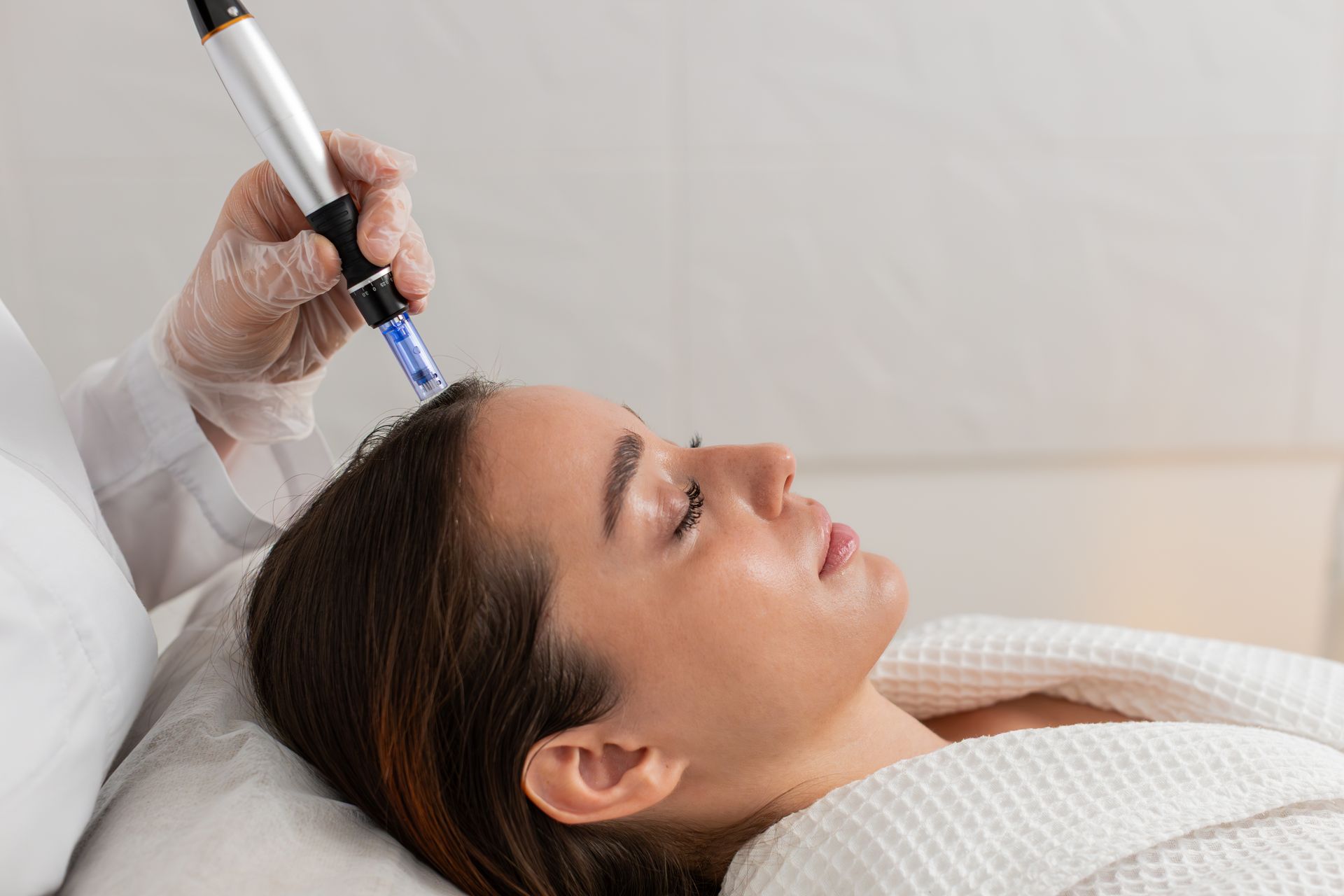
woman getting microneedling
August 14, 2026
Learn who is a good candidate for microneedling, when to postpone treatment, and how consultation can determine if it's right for your skin and goals.
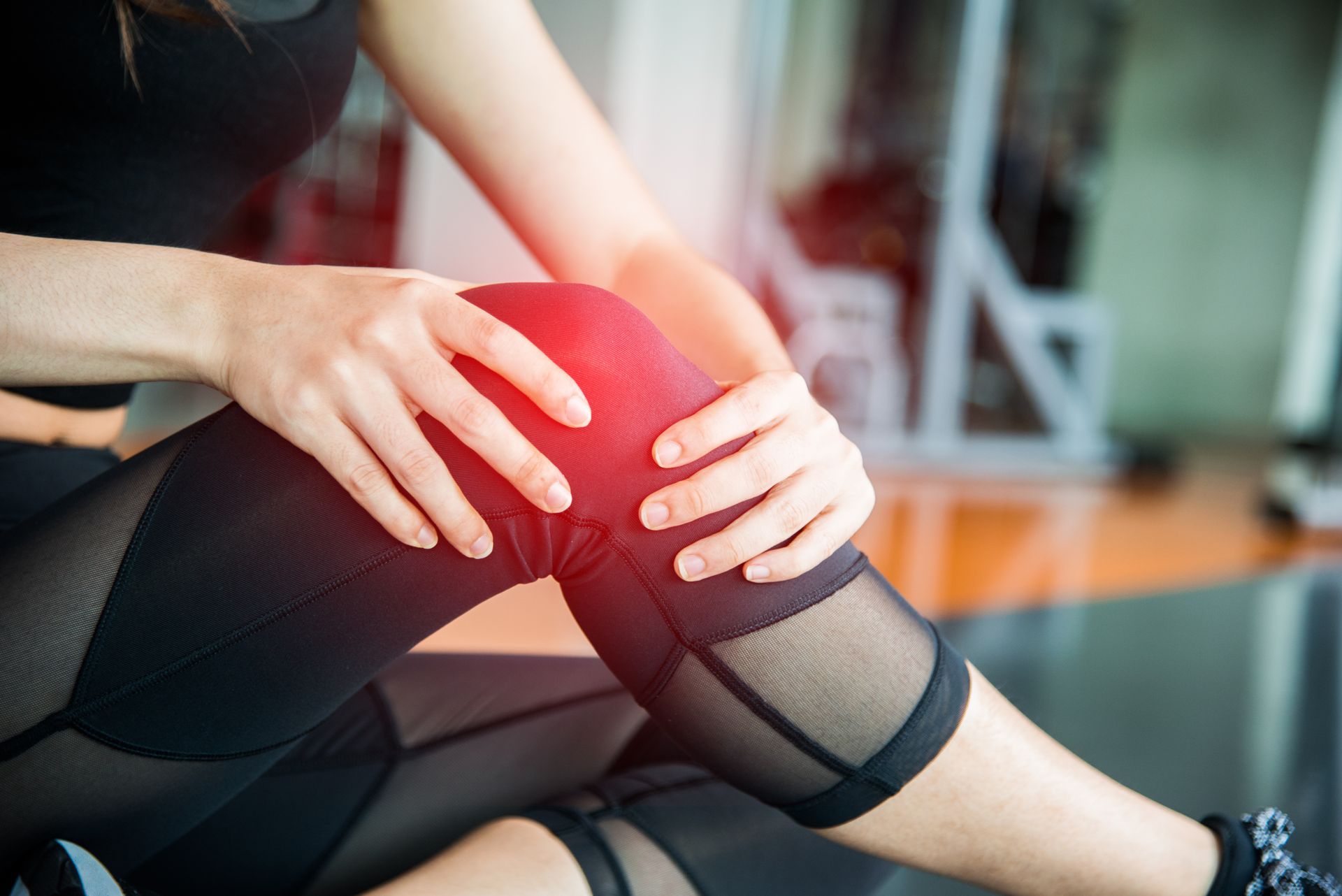
woman holding knee in pain
August 7, 2026
Discover why Richmond residents are choosing non-surgical pain relief for personalized care, improved mobility, less downtime, and lasting comfort.
July 24, 2026
Living with chronic pain often means thinking differently about everyday tasks. While medical treatment is an important part of pain management, small changes to your home, daily routine, and the tools you use can also make life more comfortable. These practical lifestyle strategies can help reduce unnecessary strain, conserve energy, and make it easier to stay engaged in the activities that matter most.  At Chronic Care of Richmond, we believe that effective chronic pain management is about creating sustainable habits that support your quality of life—not just managing symptoms. Create a Pain-Friendly Home Environment Your home should work for you, not against you. Simple modifications can reduce repetitive movements, awkward bending, and prolonged standing that may aggravate chronic pain. Consider making adjustments such as: Placing frequently used items at waist or shoulder height to minimize bending and reaching Using lightweight cookware and kitchen utensils Installing lever-style door handles that require less grip strength Adding non-slip rugs or removing tripping hazards Choosing supportive chairs with armrests to make standing easier Keeping commonly used items on each level of your home to reduce unnecessary trips up and down stairs If you spend long hours working at a desk, ergonomic adjustments can also make a significant difference. Position your computer monitor at eye level, keep your feet flat on the floor, and use supportive seating that encourages good posture. Work Smarter, Not Harder One of the most valuable skills for people with chronic pain is learning to pace daily activities. Instead of trying to finish everything at once, divide larger tasks into smaller, more manageable steps. For example: Fold one basket of laundry, then rest before putting clothes away. Clean one room each day instead of the entire house. Prepare ingredients for dinner earlier in the day when your energy is higher. Many people find that alternating physical activities with seated tasks helps reduce discomfort throughout the day. This approach—often called activity pacing—can help prevent the "boom-and-bust" cycle, where overdoing activities on a good day leads to increased pain and fatigue afterward. Self-management strategies like pacing are commonly recommended for people living with chronic pain and arthritis. Plan Around Your Best Hours Pain levels often fluctuate throughout the day. Pay attention to when you typically feel your best and schedule more demanding activities during those times. You might: Grocery shop in the morning if you have more energy. Schedule appointments during your most comfortable hours. Save paperwork or computer work for times when physical activity feels more difficult. Keeping a simple journal of your daily pain patterns can help identify routines that support better days. Use Helpful Gadgets That Reduce Strain Modern assistive devices aren't just for people with significant mobility limitations. Many simple tools can reduce stress on joints and muscles while making everyday tasks easier. Helpful options include: Grabber or reacher tools for picking up objects Electric can openers and jar openers Long-handled shoehorns Rolling laundry baskets Shower chairs or handheld showerheads Supportive seat cushions Heating pads or reusable cold packs for temporary symptom relief when appropriate Voice-controlled smart home devices for lights, thermostats, and reminders These small conveniences can reduce repetitive movements that contribute to discomfort while helping you maintain independence. Organize to Minimize Extra Movement A little organization can save hundreds of unnecessary steps each week. Try creating dedicated stations throughout your home: Keep medications in one organized location. Store cleaning supplies on every floor if you have a multi-level home. Keep chargers, reading glasses, and frequently used items within easy reach. Use baskets or rolling carts to transport multiple items in one trip. The less unnecessary movement required, the more energy you can devote to activities you enjoy. Make Rest Part of Your Routine Rest is an important part of managing chronic pain, but staying inactive for long periods can sometimes increase stiffness and reduce mobility. Finding a balance between activity and rest is key. Instead of waiting until you're exhausted, consider scheduling short recovery breaks throughout the day. Examples include: Sitting down for 10 to 15 minutes after completing household chores Stretching gently between work sessions if recommended by your healthcare provider Taking a brief walk around the house after prolonged sitting Practicing relaxation or breathing exercises during scheduled breaks Regular movement paired with planned rest helps many people maintain better function over time. Health organizations recommend staying as active as your condition allows , even if activity is broken into shorter sessions. Build Sustainable Habits There's no single "hack" that solves chronic pain. Instead, lasting improvements often come from combining small, practical changes that reduce strain and make everyday life more manageable. Whether it's reorganizing your kitchen, pacing household chores, using assistive devices, or planning activities around your energy levels, these strategies can help support greater independence and comfort. Self-management techniques, combined with guidance from your healthcare provider, are widely recognized as valuable tools for improving daily function and quality of life for people living with chronic pain. If chronic pain is interfering with your ability to enjoy daily life, the team at Chronic Care of Richmond can work with you to develop a comprehensive, personalized treatment plan that supports your long-term health, mobility, and overall well-being.
More Posts