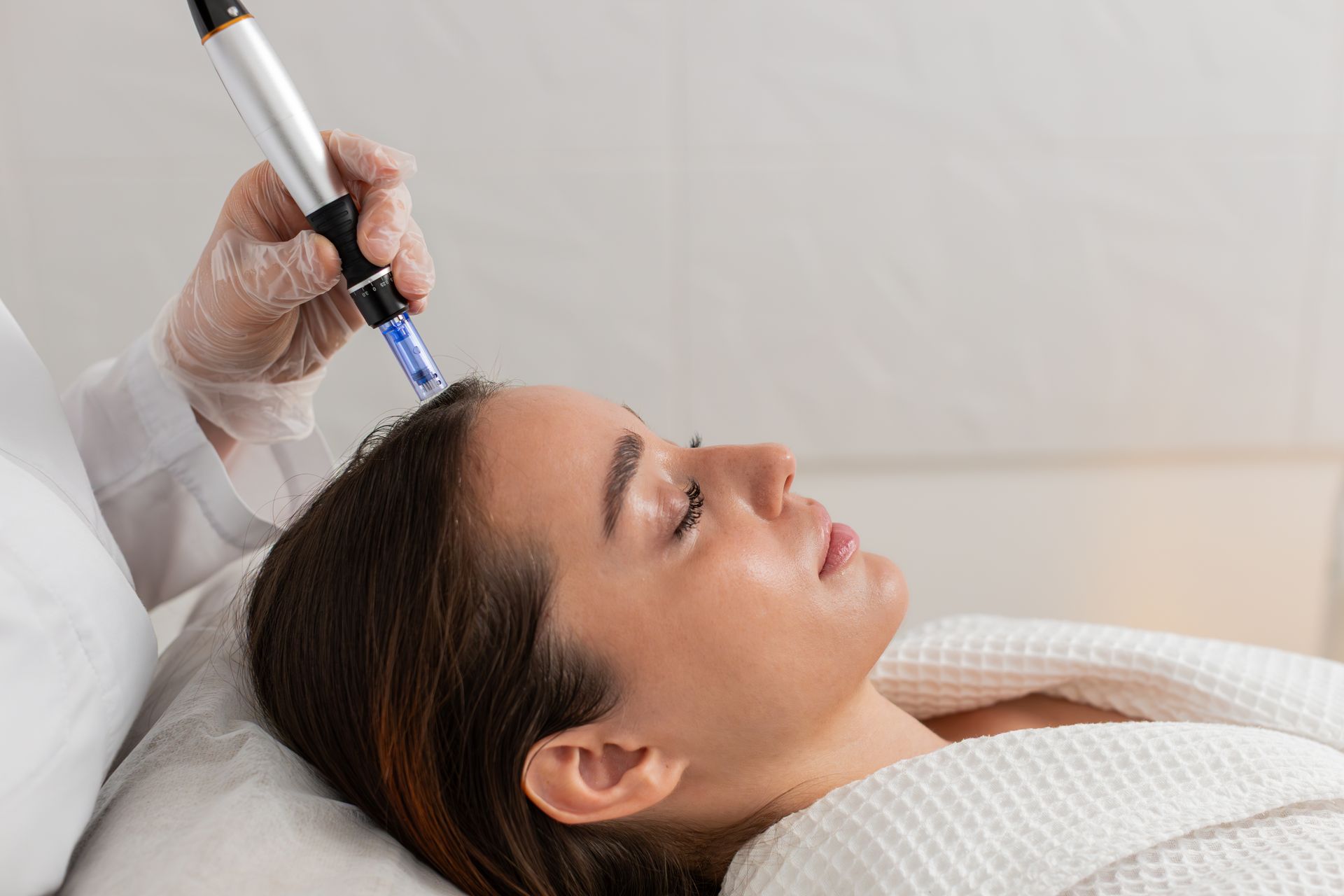
Combating Neuropathy: Non-Surgical Approaches
Neuropathy is a debilitating condition that affects the peripheral nerves, often leading to symptoms such as numbness, tingling, and pain, particularly in the extremities like the hands and feet. These symptoms can significantly hinder daily life, making it crucial for individuals to seek effective treatment options. While neuropathy can arise from various causes, including diabetes, infections, and traumatic injuries, non-surgical treatments offer promising avenues for relief and management.
Electrical Nerve Stimulation
Electrical nerve stimulation is a therapy used to alleviate symptoms of neuropathy. This technique involves using electrical impulses to stimulate nerves, which can help reduce pain and improve nerve function. Patients often report significant relief from pain, allowing them to engage more fully in daily activities. While this therapy is generally well-tolerated, some individuals may experience mild side effects, such as skin irritation at the site of electrode placement. It is important for patients to consult with healthcare professionals to determine if this treatment is suitable for them.
Regenerative Medicine
Regenerative medicine plays a crucial role in treating neuropathy by promoting nerve repair and regeneration. Regenerative Cell therapy, for instance, has shown promise in aiding nerve recovery. This approach relies on the body's natural healing processes, potentially reversing nerve damage. The scientific basis for regenerative medicine in neuropathy treatment is robust, with studies supporting its efficacy.
Platelet Rich Plasma (PRP) for Neuropathy
Platelet Rich Plasma (PRP) has a multitude of benefits in addressing neuropathy. The regenerative properties in PRP can help stimulate nerve regeneration to reduce inflammation, pain, burning, tingling symptoms of neuropathy. Often in hands, and feet, this cutting edge treatment helps our patients improve sleep, balance, and other related nerve conditions to help them return to movement and improve quality of life.
Lifestyle Modifications
Adopting specific lifestyle changes can play a crucial role in alleviating the symptoms of neuropathy and improving overall well-being. Regular exercise, such as walking, swimming, or cycling, helps improve circulation, reduce inflammation, and promote nerve health, which can alleviate pain and discomfort associated with neuropathy. Engaging in physical activities also aids in managing weight, lowering blood sugar levels, and reducing stress, all of which are beneficial for nerve function. A balanced diet rich in essential nutrients such as vitamins B12, D, and antioxidants can support nerve function by providing the necessary building blocks for nerve repair and maintenance. Foods like leafy greens, nuts, seeds, and fish are excellent sources of these nutrients and can be easily incorporated into daily meals. Additionally, avoiding excess alcohol and smoking is crucial, as these habits can exacerbate nerve damage and hinder the healing process, making lifestyle modifications a powerful non-surgical approach for managing neuropathy effectively. Integrating these habits into daily routines not only supports nerve health but also contributes to overall enhanced physical and mental health, empowering individuals to take control of their neuropathy symptoms.
Chiropractic Care
Chiropractic care can be beneficial for neuropathy patients, offering methods to alleviate nerve pain and improve mobility. Chiropractors focus on aligning the spine and other joints to reduce nerve pressure, which can help relieve symptoms. Studies and expert opinions suggest that chiropractic care can be an effective non-invasive treatment for neuropathy. This holistic approach emphasizes the body's natural healing abilities, aligning well with the non-surgical philosophy of clinics like Chronic Care of Richmond.
Acupuncture
Acupuncture is an ancient practice that has gained recognition as a viable treatment for neuropathy. By inserting thin needles into specific points on the body, acupuncture aims to stimulate the nervous system and promote natural healing processes. Patients often experience reduced pain and improved nerve function after acupuncture sessions. Research indicates that acupuncture can be particularly beneficial for those suffering from diabetic neuropathy, offering a complementary approach to traditional medical treatments. As with any therapy, it is important for patients to consult with healthcare providers to ensure it is an appropriate option for their condition.
Combining Treatments for Maximum Effect
Combining different non-surgical treatments can lead to comprehensive neuropathy management. A multidisciplinary approach that integrates therapies such as electrical nerve stimulation, regenerative medicine, and lifestyle changes often results in better patient outcomes. Treatment plans tailored to individual needs can address various aspects of neuropathy, providing a more complete solution. Expert opinions and case studies support the effectiveness of this combined approach, highlighting its potential to improve the quality of life for those with neuropathy.
Local Perspectives and Resources
In Richmond, Virginia, there are several options for individuals seeking non-surgical treatments for neuropathy. Local clinics, such as Chronic Care of Richmond, specialize in these alternative therapies, offering a range of services tailored to the needs of the community. Additionally, support groups and community resources are available to provide assistance and information for those managing neuropathy. Local healthcare providers play a significant role in advancing treatment options, ensuring patients have access to the latest therapies.
The Role of Physical Therapy in Managing Neuropathy
Physical therapy offers targeted exercises and treatments designed to enhance mobility and reduce the pain associated with neuropathy. Through guided stretching and strengthening routines, patients can maintain muscle function and increase their range of motion. Physical therapists may also use techniques like electrical nerve stimulation or balance training to help alleviate symptoms and improve overall quality of life.
Future Directions in Neuropathy Treatment
Research in neuropathy treatment is ongoing, with emerging therapies and technologies promising to improve patient outcomes. Innovations in regenerative medicine and electrical stimulation continue to evolve, offering new hope for those affected by neuropathy. However, there are debates within the medical community regarding the efficacy of certain treatments, emphasizing the need for continued research and clinical trials. Patients can look forward to a future where more advanced and effective treatment options are available, enhancing their quality of life.
Neuropathy presents significant challenges, but non-surgical treatments offer a promising path to relief and improved quality of life. From electrical nerve stimulation and regenerative medicine to lifestyle changes and chiropractic care, these approaches provide diverse options for managing symptoms and promoting nerve health. As research continues to advance, patients can anticipate even more effective therapies on the horizon. Clinics like Chronic Care of Richmond are at the forefront of offering these innovative treatments, ensuring that those suffering from neuropathy have access to the best possible care.
For more information about non-surgical treatments for neuropathy,
reach out to Chronic Care of Richmond. Our dedicated team is here to provide support and guidance tailored to your needs.