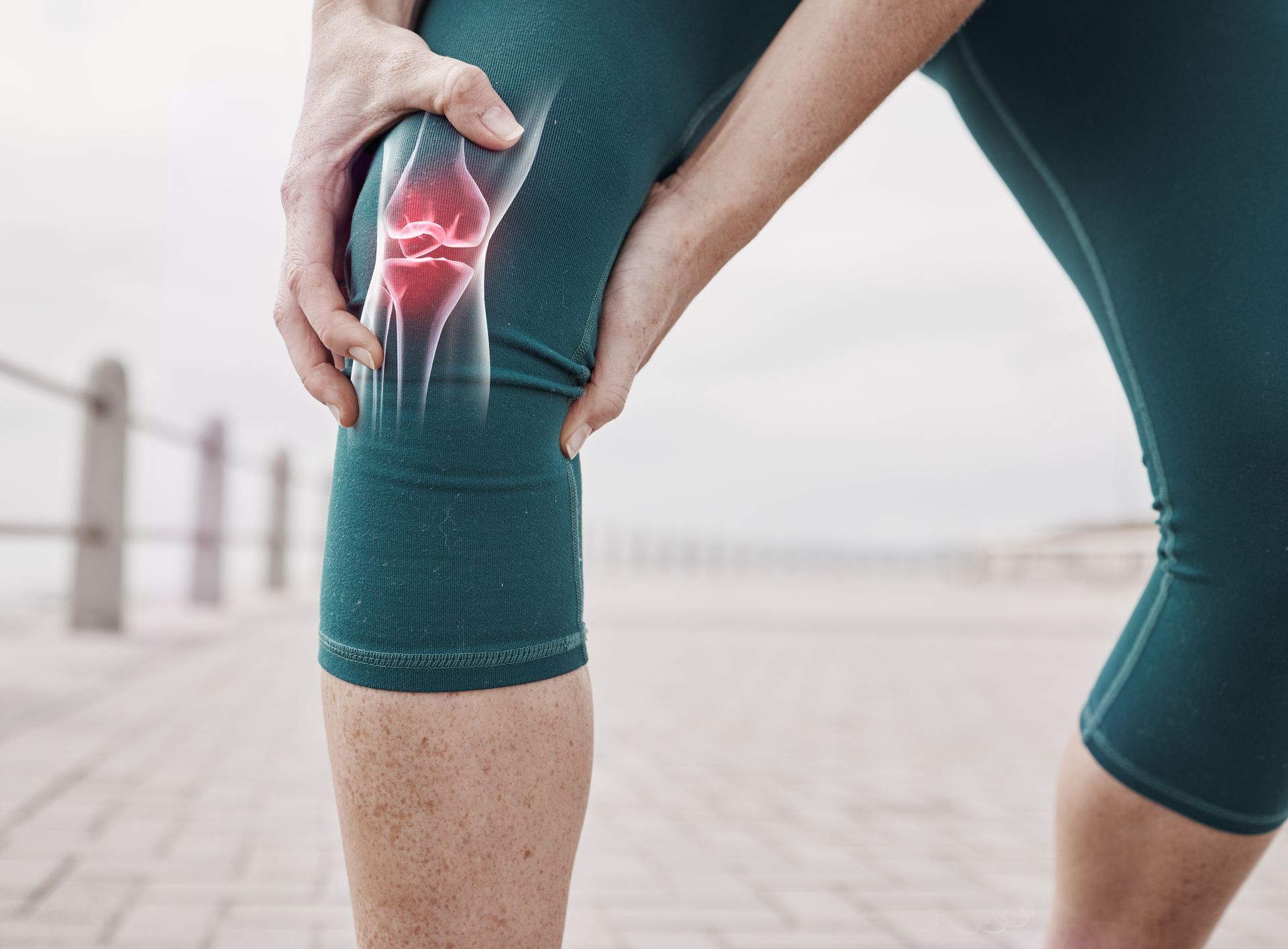
Laser vs. Physical Therapy for Foot Pain
Foot pain is a common problem affecting people of all ages and lifestyles, often stemming from conditions like plantar fasciitis. At Chronic Care of Richmond, we understand how debilitating foot pain can be—impacting your mobility, mood, and overall quality of life. With advancements in modern medicine, patients now have access to a range of treatments to ease their discomfort and promote healing. Two of the most popular non-surgical options are laser therapy and traditional physical therapy. But how do they compare, and which might be best for you?
Understanding Foot Pain and Plantar Fasciitis
Foot pain can arise from various sources—injuries, overuse, poor footwear, or chronic conditions. One of the most prevalent causes is plantar fasciitis, an inflammation of the thick band of tissue running across the bottom of your foot. Symptoms often include sharp heel pain, especially with the first steps in the morning or after long periods of rest. Plantar fasciitis affects approximately 2 million people each year in the United States alone.
What Is Laser Therapy?
Laser therapy, sometimes called low-level laser therapy (LLLT) or cold laser therapy, uses focused light energy to stimulate healing at the cellular level. During treatment, a healthcare provider directs a painless laser device at the affected area. The light energy penetrates the skin and interacts with tissues, promoting increased blood flow, reducing inflammation, and encouraging cellular repair.
Laser therapy has gained popularity for its non-invasive nature and minimal side effects. It’s often used for musculoskeletal pain, including foot and heel pain caused by plantar fasciitis. The FDA has cleared laser therapy devices for pain management, and research supports their safety and efficacy when performed by qualified professionals.
Traditional Physical Therapy Approaches
Physical therapy remains a cornerstone in managing foot pain, particularly for conditions like plantar fasciitis. A physical therapist will typically tailor a program that may include:
- Stretching and strengthening exercises for the foot and calf muscles
- Manual therapy and massage
- Modalities like ultrasound or heat therapy
- Education on proper footwear and activity modification
The primary goal is to improve mobility, reduce pain, and prevent recurrence.
Comparing Laser Therapy and Physical Therapy
Mechanism of Action
- Laser Therapy: Works at the cellular level, reducing inflammation and stimulating healing through photobiomodulation.
- Physical Therapy: Addresses biomechanical factors, corrects movement patterns, and enhances strength and flexibility.
Benefits
Laser Therapy
- Non-invasive and Painless: Most patients report little to no discomfort during treatments.
- Quick Sessions: Sessions are typically short, often under 30 minutes.
- Accelerated Recovery: Laser therapy may speed healing and reduce pain in fewer sessions compared to traditional methods.
- Minimal Side Effects: Rarely causes adverse reactions when administered by a qualified provider.
Traditional Physical Therapy
- Addresses Root Causes: By strengthening muscles and correcting gait, physical therapy tackles underlying problems, not just symptoms.
- Personalized Approach: Programs are customized to each patient’s unique needs.
- Long-Term Benefits: Improves overall foot health and helps prevent future injuries.
Limitations
Laser Therapy
- Not Universally Effective: While many benefit, some may see limited results, particularly if underlying biomechanical issues persist.
- Access and Availability: Not all clinics offer advanced laser therapy technologies.
- Typically Not a Standalone Solution: Best used as part of a comprehensive treatment plan.
Traditional Physical Therapy
- Time Commitment: Progress may be gradual, requiring consistent effort and multiple appointments.
- Initial Discomfort: Some exercises may cause temporary discomfort as the body adapts.
- Home Compliance Needed: Success often hinges on patient adherence to prescribed home exercises.
Making the Right Choice for Your Foot Pain
Choosing between laser therapy and traditional physical therapy depends on several factors: the cause and severity of your foot pain, your lifestyle, and your personal preferences. Many patients at Chronic Care of Richmond have found that a combination of both approaches yields the best results. By integrating laser therapy’s healing properties with the corrective power of physical therapy, patients often experience faster relief and long-term improvement.
During your consultation, our healthcare professionals will assess your condition and discuss which options may be most effective for you. We are committed to offering evidence-based, non-invasive solutions that prioritize your safety and comfort.
The Role of Patient-Centered Care
Ultimately, the most effective treatment is one that aligns with your goals and needs. At Chronic Care of Richmond, we believe in empowering patients through education and collaborative decision-making. You can learn more about our foot pain treatment options directly on our website.
If you’re struggling with foot pain or plantar fasciitis, don’t let it sideline your life. Reach out to our experienced team today to explore your options and start your journey toward lasting relief.