Reclaim Your Health With Our Wellness Solutions!

May 22, 2020

By: Dr. Bryant D. Snyder, DC

Announcing new, cutting edge treatments now available in our office! Restore your quality of life and vitality with our non-drug, non-invasive treatments that promote health and healing.


Platelet Rich Plasma (PRP)

Platelet Rich Plasma or PRP, is a safe, natural way to rejuvenate and regenerate soft tissue. PRP can help heal wounds, reduce swelling, speed healing, and regenerate growth. It works by supplying cytokines, natural proteins, and other growth factors to the area of your body where it is injected.

Long used by many in the medical community, PRP has multiple benefits for restoring vitality and health. PRP substances are also produced from a patient's own blood, thus, the patient does not experience any adverse reactions to the treatment.


Benefits of PRP Therapy

At Chronic Care of Richmond & Regenerative Medicine, Platelet Rich Plasma (PRP) helps our patients improve their quality of life across a multitude of conditions, including: addressing chronic pain, restoring and regenerating hair growth, and rejuvenating sexual wellness. The benefits of PRP treatment are broad, and treatment provides a significant improvement to our patients' daily lives.

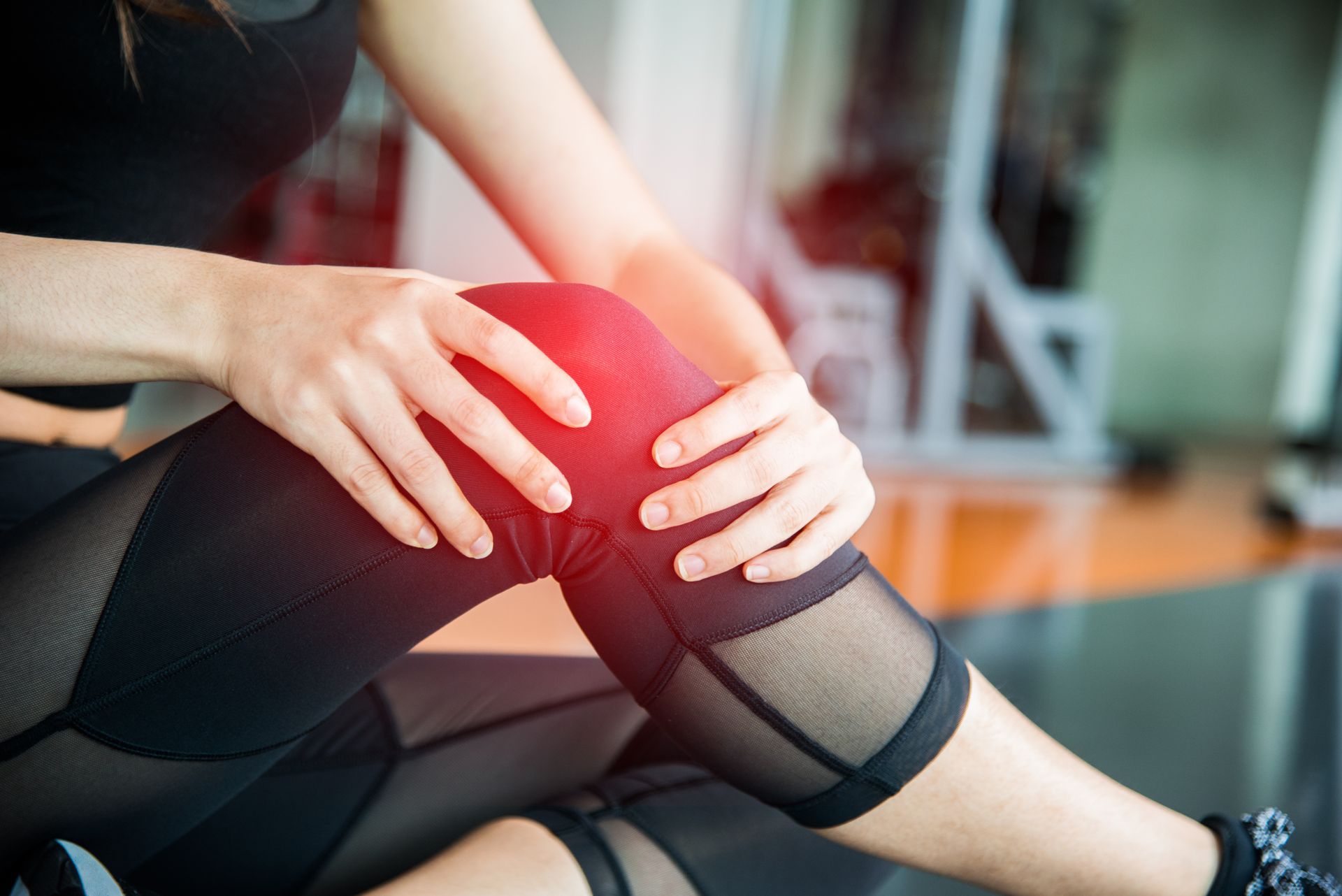
  • Heal Sports Injuries & Relieve the pain of Osteoarthritis:
  • Suffering from chronic pain has a negative impact on your daily life. From walking, running, climbing stairs, even sleeping, when you're dealing with pain you are not able to enjoy life. Our PRP solution for chronic pain is a natural way to heal sports injuries and osteoarthritis.
  • PRP reduces swelling, and allows joint mobility including regrowth of joint tissue that can allow you to get back to running, walking, and daily exercise and activities.
  • With PRP treatment, a concentrated platelet injection enhances the nutrients and growth factors in the injured area to allow the body to heal it.
  • Research studies and clinical practice have shown PRP Treatment to be very effective at relieving pain and returning patients to their normal lives.


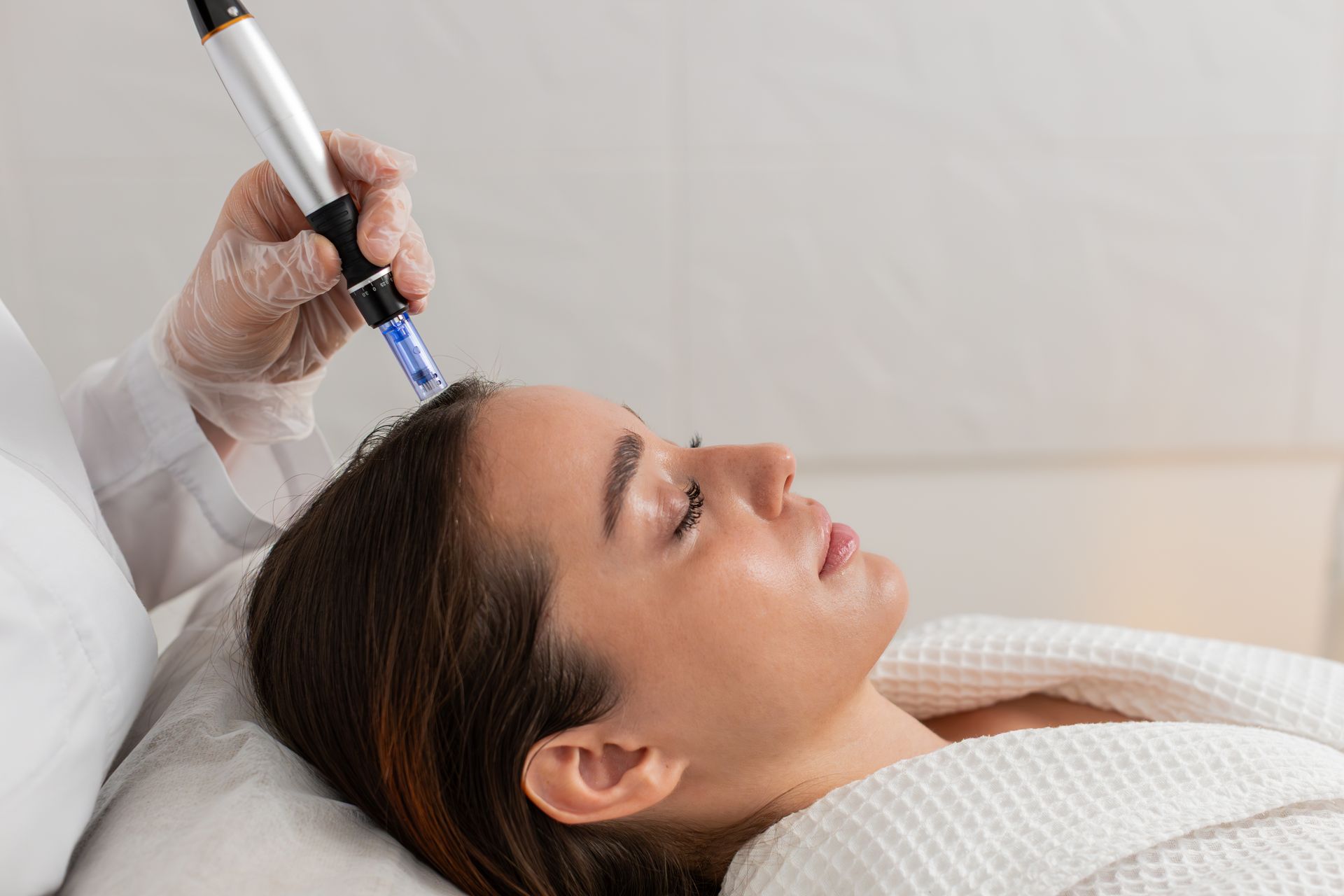
Hair Restoration using PRP:

  • Men and women who are experiencing hair loss are eager to embrace topical medicines and surgical procedures that promise to restore hair to its youthful volume and abundance. However, thanks to advances in medical science and technology, there is now a safe, non-surgical alternative using Platelet-Rich Plasma (PRP) which can accelerate healing in various areas of the body and may help restore hair growth.
  • Our non-surgical regenerative hair restoration treatments increase the body's natural ability to heal and stimulate a regenerative process.
  • With this powerful cutting-edge regenerative therapy combination, we address the root cause of hair loss and help restore hair growth.
  • No surgery, no plugs, and no drugs!


Sexual Wellness:

  • Sometimes it's hard for men and women to talk about their sexual wellness, but the decrease in performance or enjoyment is natural as we age. Thanks to advances in non-surgical medicine, we can offer a natural method of rejuvenation. We use Platelet Rich Plasma (PRP) to increase your body's natural ability to heal and stimulate a regenerative process. Plasma contains cell-regenerating growth factors which, when injected into the genitals trigger stem cells to nourish healthier tissue.
  • 90% of the sexual issues men and women face are physical and can be addressed with the therapy we offer in our office.
  • Therapy activates and recruits stem cells with benefits typically beginning to appear with full effects around 12 weeks.
  • You will always feel comfortable speaking with our medical staff about this sometimes uncomfortable issue.

woman getting microneedling
August 14, 2026
Learn who is a good candidate for microneedling, when to postpone treatment, and how consultation can determine if it's right for your skin and goals.
woman holding knee in pain
August 7, 2026
Discover why Richmond residents are choosing non-surgical pain relief for personalized care, improved mobility, less downtime, and lasting comfort.
July 24, 2026
Living with chronic pain often means thinking differently about everyday tasks. While medical treatment is an important part of pain management, small changes to your home, daily routine, and the tools you use can also make life more comfortable. These practical lifestyle strategies can help reduce unnecessary strain, conserve energy, and make it easier to stay engaged in the activities that matter most.  At Chronic Care of Richmond, we believe that effective chronic pain management is about creating sustainable habits that support your quality of life—not just managing symptoms. Create a Pain-Friendly Home Environment Your home should work for you, not against you. Simple modifications can reduce repetitive movements, awkward bending, and prolonged standing that may aggravate chronic pain. Consider making adjustments such as: Placing frequently used items at waist or shoulder height to minimize bending and reaching Using lightweight cookware and kitchen utensils Installing lever-style door handles that require less grip strength Adding non-slip rugs or removing tripping hazards Choosing supportive chairs with armrests to make standing easier Keeping commonly used items on each level of your home to reduce unnecessary trips up and down stairs If you spend long hours working at a desk, ergonomic adjustments can also make a significant difference. Position your computer monitor at eye level, keep your feet flat on the floor, and use supportive seating that encourages good posture. Work Smarter, Not Harder One of the most valuable skills for people with chronic pain is learning to pace daily activities. Instead of trying to finish everything at once, divide larger tasks into smaller, more manageable steps. For example: Fold one basket of laundry, then rest before putting clothes away. Clean one room each day instead of the entire house. Prepare ingredients for dinner earlier in the day when your energy is higher. Many people find that alternating physical activities with seated tasks helps reduce discomfort throughout the day. This approach—often called activity pacing—can help prevent the "boom-and-bust" cycle, where overdoing activities on a good day leads to increased pain and fatigue afterward. Self-management strategies like pacing are commonly recommended for people living with chronic pain and arthritis. Plan Around Your Best Hours Pain levels often fluctuate throughout the day. Pay attention to when you typically feel your best and schedule more demanding activities during those times. You might: Grocery shop in the morning if you have more energy. Schedule appointments during your most comfortable hours. Save paperwork or computer work for times when physical activity feels more difficult. Keeping a simple journal of your daily pain patterns can help identify routines that support better days. Use Helpful Gadgets That Reduce Strain Modern assistive devices aren't just for people with significant mobility limitations. Many simple tools can reduce stress on joints and muscles while making everyday tasks easier. Helpful options include: Grabber or reacher tools for picking up objects Electric can openers and jar openers Long-handled shoehorns Rolling laundry baskets Shower chairs or handheld showerheads Supportive seat cushions Heating pads or reusable cold packs for temporary symptom relief when appropriate Voice-controlled smart home devices for lights, thermostats, and reminders These small conveniences can reduce repetitive movements that contribute to discomfort while helping you maintain independence. Organize to Minimize Extra Movement A little organization can save hundreds of unnecessary steps each week. Try creating dedicated stations throughout your home: Keep medications in one organized location. Store cleaning supplies on every floor if you have a multi-level home. Keep chargers, reading glasses, and frequently used items within easy reach. Use baskets or rolling carts to transport multiple items in one trip. The less unnecessary movement required, the more energy you can devote to activities you enjoy. Make Rest Part of Your Routine Rest is an important part of managing chronic pain, but staying inactive for long periods can sometimes increase stiffness and reduce mobility. Finding a balance between activity and rest is key. Instead of waiting until you're exhausted, consider scheduling short recovery breaks throughout the day. Examples include: Sitting down for 10 to 15 minutes after completing household chores Stretching gently between work sessions if recommended by your healthcare provider Taking a brief walk around the house after prolonged sitting Practicing relaxation or breathing exercises during scheduled breaks Regular movement paired with planned rest helps many people maintain better function over time. Health organizations recommend staying as active as your condition allows , even if activity is broken into shorter sessions. Build Sustainable Habits There's no single "hack" that solves chronic pain. Instead, lasting improvements often come from combining small, practical changes that reduce strain and make everyday life more manageable. Whether it's reorganizing your kitchen, pacing household chores, using assistive devices, or planning activities around your energy levels, these strategies can help support greater independence and comfort. Self-management techniques, combined with guidance from your healthcare provider, are widely recognized as valuable tools for improving daily function and quality of life for people living with chronic pain. If chronic pain is interfering with your ability to enjoy daily life, the team at Chronic Care of Richmond can work with you to develop a comprehensive, personalized treatment plan that supports your long-term health, mobility, and overall well-being.
More Posts